


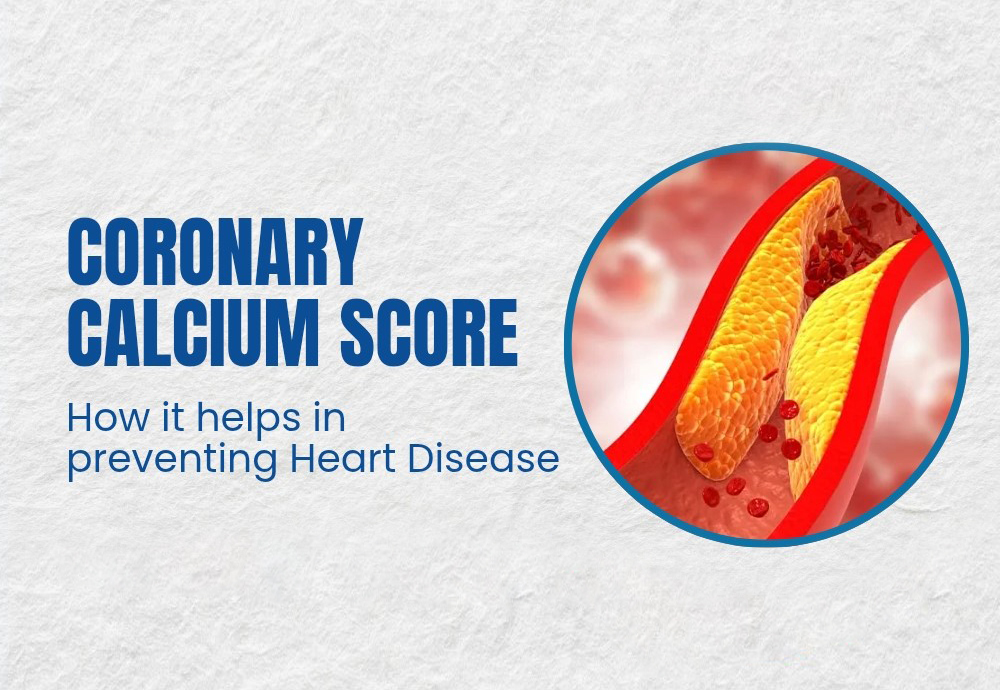
Heart disease continues to be the number one cause of death around the world. The worrying part is that many heart attacks happen suddenly without any clear warning signs. This is why preventive healthcare has become more important than ever.
One simple test that is changing the way doctors detect heart risk is the Coronary Artery Calcium (CAC) Score. It is a quick and painless scan that can show if calcium (plaque) has started building up in the arteries of your heart. By doing this, it helps identify the risk of future heart problems much earlier than traditional tests.
The CAC score is obtained through a short CT scan of the heart. This scan looks for calcium deposits in the coronary arteries, which supply blood to the heart muscle. If calcium is present, it usually means there is plaque, the main cause of blockages and heart attacks.
The result is given as an Agatston Score. This number is divided into ranges:
In simple terms, it works like a “report card for your heart arteries.”
Many people with heart disease feel perfectly fine until they suddenly have a heart attack. The CAC score shows if plaque is silently building up, even when cholesterol, sugar and blood pressure are normal.
A score of zero means clean arteries and very low risk. People with this result often do not need to start medicines like statins immediately, but can instead focus on healthy lifestyle changes.
Some patients fall into a “grey zone” where it is not clear whether medicines are needed or not. The CAC score provides clarity. A higher score means treatment should begin quickly, while a zero score allows more focus on lifestyle first.
Numbers are powerful. When someone sees their calcium score or hears that their “heart age” is older than their actual age, they are more likely to take diet, exercise and quitting smoking seriously.
This scan is not for everyone. It is most useful for:
It is not usually recommended for very low-risk individuals or for people who already have heart symptoms.
The Coronary Calcium Score is one of the most useful tools in modern preventive cardiology. It can reassure people at low risk, guide treatment for those at higher risk and motivate positive lifestyle changes. While it is not a replacement for medical advice or other tests, it has become a powerful way to prevent heart disease and protect long-term heart health.
Dr. Bhupesh D. Shah is a highly experienced Senior Cardiothoracic and Vascular Surgeon with more than 16,000 successful surgeries to his credit. Over the past decades, he has helped thousands of patients with complex heart and vascular problems, earning their trust through both his surgical skill and his compassionate care. He is available full-time at Sterling Hospital, where patients benefit not only from his vast experience but also from his commitment to bringing the latest advancements in cardiac science into everyday practice. For many families, Dr. Shah is not just a surgeon but a guide and partner in their journey to better heart health.